For more information on our content creation process, view our Editorial Policy.
Jobs that AI can’t replace are becoming more valuable as technology transforms the workforce. ChatGPT’s launch has caused a 30% drop in writing and programming assignments for online freelancers. AI image tools like DALL-E and Midjourney have led to a 17% decrease in work for graphic designers.
Many people feel uneasy about these changes.
A newer study by Pew Research shows 52% of US professionals worry about how AI might affect their careers. About 30% fear they could lose their jobs to AI completely. The news isn’t all bad though. The World Economic Forum predicts that while 85 million jobs might disappear, we’ll see 97 million new positions emerge. Most of these new roles will be in data science and AI-related fields.
This piece will show you 23 careers that will stay important through 2025 and beyond.
These roles promise stability and growth as automation increases. They’re perfect options whether you’re starting your career or looking to switch paths.
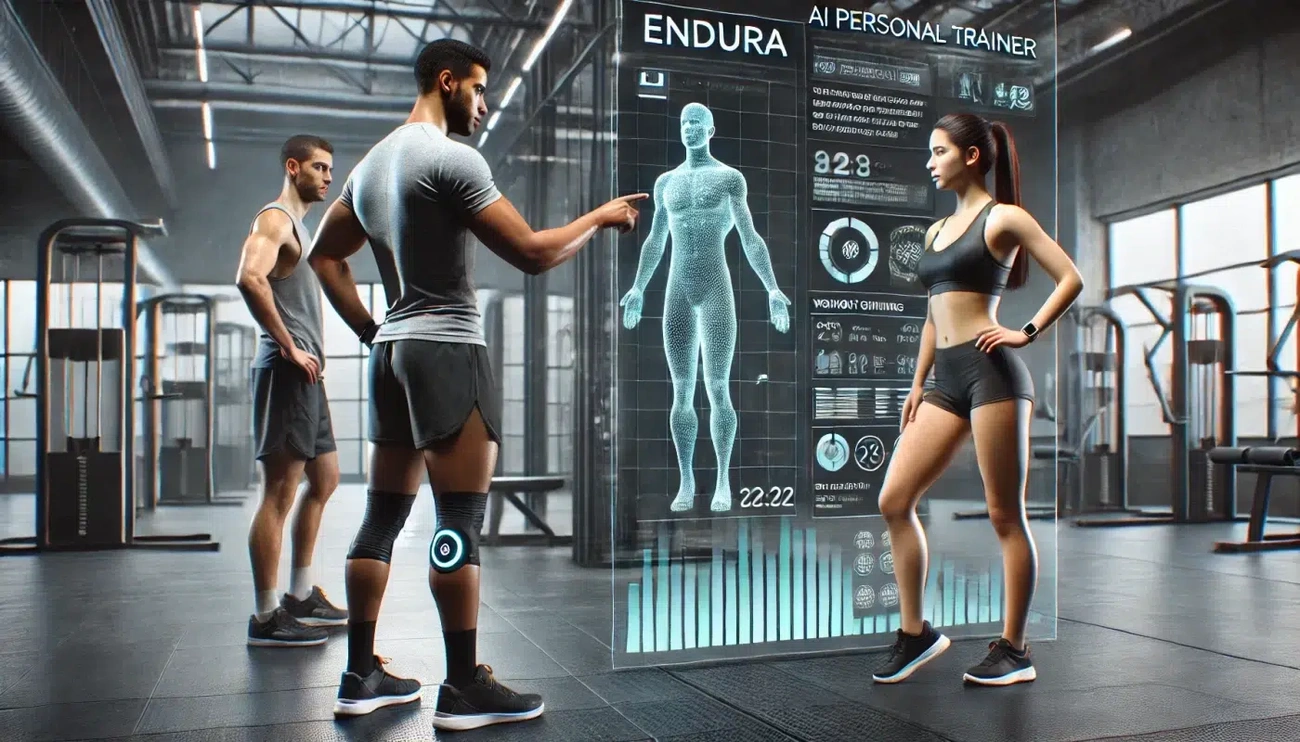
Personal connection is the life-blood of good fitness training. It’s one of the most resilient professions in our automated world. AI fitness apps might generate workout plans, but they lack the human touch that gets real results.
Algorithms can’t copy the human element in fitness training. AI just works with data. Fitness trainers bring emotional intelligence to read non-verbal cues like body language, energy levels, and motivation. They build real relationships with clients and provide vital accountability when things get tough. A good coach knows exactly when clients need encouragement or when to tweak a workout based on subtle signs of discomfort. This natural adaptation happens on the spot—something AI can’t match.
Key Skills for Fitness Trainers
Great fitness trainers need skills that go way beyond exercise knowledge. Communication forms the base. They must listen well, show empathy, and explain complex ideas simply. Exercise science knowledge, including anatomy, biomechanics, and physiology, helps create safe and effective programmes.
They need to adjust workouts for each person’s needs, injuries, or changing goals. Motivation skills matter too. Trainers must inspire clients even when they hit their limits. On top of that, nutrition expertise helps guide clients’ eating habits throughout their fitness trip.
Course Cards
Level 2 & 3 Personal Training Diploma
Combined Diploma
Study online to achieve a personal training qualification
The fitness industry keeps growing strong. Employment for trainers should jump 14% from 2022 to 2032, way higher than the 3% average for other jobs. The average personal trainer salary sits at about £36,531 per year.
This growth shows how people care more about health and see that technology helps rather than replaces human coaching. So trainers who use technology while keeping their human touch will succeed in this changing field.
Nurse Practitioners
Image Source: Sumner College
Nurse practitioners blend technical medical expertise with compassionate patient care. Their role remains distinctly human. These advanced practise registered nurses have expanded responsibilities and provide complete healthcare services that AI systems can’t match.
Why Nurse Practitioners are AI-Proof
We found that genuine human connection and critical thinking set them apart from machines. NPs build patient trust through empathy and emotional intelligence while making complex medical decisions.
Key Skills for Nurse Practitioners
NPs’ diverse skills make them irreplaceable in healthcare:
Diagnostic expertise: NPs must conduct complete physical exams, interpret diagnostic results, and develop differential diagnoses
Critical thinking: Knowing how to analyse complex health histories and make sound clinical judgments
Communication excellence: Active listening, empathy, and explaining medical concepts at appropriate health literacy levels
Technical proficiency: Familiarity with electronic health records and emerging healthcare technologies
Patient education: Providing clear information about conditions, treatments, and preventive care
NPs combine clinical expertise with strong interpersonal abilities. This unique combination creates a skill profile beyond AI’s capabilities.
Growth Outlook for Nurse Practitioners
Nurse practitioners’ future shines bright. The Bureau of Labour Statistics ranks NPs among the fastest-growing jobs in the country. The profession will grow 45% by 2032. This growth rate outpaces most other occupations substantially. NPs earn a median annual salary of £96,578. The role offers both financial rewards and job security.
Teachers and Educators
Image Source: Forbes
Human guidance in education can’t be replaced, even as AI tools make their way into classrooms. Teaching needs a complex mix of expertise, empathy, and adaptability that current AI systems just can’t copy.
Why Teachers and Educators are AI-Proof
Teaching thrives on human relationships and connections. AI can support learning through personalised applications or virtual tutors, but it lacks the mentorship and adaptability that good educators provide. Teachers help students develop their independence, awareness, and well-being while they handle complex classroom dynamics. They also spot each student’s potential, understand systemic barriers, and adjust their teaching strategies. The OECD makes it clear that “AI should increase, not replace teachers’ role”. The UK government backs this up by stating that “teachers are irreplaceable”.
Key Skills for Teachers and Educators
Great educators have a unique set of skills that make their role distinctly human:
Emotional intelligence: They understand their students’ viewpoints, backgrounds, and personal challenges
Adaptability: They adjust their teaching methods for different learning styles and needs
Communication excellence: They share ideas clearly and listen actively
Technological literacy: They use digital tools to improve their teaching rather than replace it
Leadership abilities: They guide students well, especially those who resist learning
Teachers must develop what Google calls “learning ability” as technology advances. This means knowing how to find, analyse, and use resources to answer questions and create solutions.
Growth Outlook for Teachers and Educators
The education sector faces major staffing challenges but remains crucial. At least 55,000 teaching positions went unfilled, and these shortages might double to 100,000 each year. The government has launched initiatives like the £1 million Contracts for Innovation funding to develop AI tools that cut down administrative work, which could make teaching more appealing.
Nutritionists
Image Source: British Dietetic Association – UK.COM
Why Nutritionists are AI-Proof
Nutritionists deliver uniquely human care that AI cannot replicate. Algorithms generate generic meal plans, but dietitians assess complex individual factors. They consider cultural backgrounds, priorities, and emotional relationships with food.
Nutritionists provide empathetic counselling and motivate behaviour change through genuine human connection. They respect different cultural beliefs, understand dietary practises, and build trust with clients—elements that need emotional intelligence.
Key Skills for Dietitians
Successful dietitians blend scientific and interpersonal abilities distinctively:
Nutritional Science Proficiency: Deep understanding of biochemistry, physiology, and food science
Communication Excellence: Translating complex nutrition information into practical guidance
Cultural Competence: Adapting dietary plans to a variety of cultural practises
Assessment Skills: Analysing laboratory results and conducting dietary evaluations
Problem-Solving Aptitude: Developing innovative solutions for unique nutritional challenges
The most vital skills combine technical nutrition knowledge with empathetic counselling abilities, a combination AI cannot duplicate.
Growth Outlook for Dietitian Nutritionists
Nutrition professionals have a promising future ahead. Employment of dietitians is projected to grow 7% from 2023 to 2033, faster than the average for all occupations. The field will open approximately 6,100 new positions annually during this period. Recognition of nutrition’s role in disease prevention drives this growth.
An ageing population needs more specialised nutritional care. Registered Dietitians earn a median annual salary of approximately £58,649, with hourly rates averaging £28.19. New opportunities emerge in specialised areas like customised nutrition, telehealth platforms, and environmental sustainability.
Occupational Therapists
Image Source: OT Potential
Occupational therapy stands out as one of the most AI-resistant healthcare professions because of its hands-on rehabilitation approach. These practitioners help clients become independent in their daily activities by addressing physical, mental, and developmental challenges.
Why Occupational Therapists are AI-Proof
AI cannot replicate the human touch that occupational therapists bring to their work. These professionals know how to assess someone’s performance and suggest individual-specific interventions based on their past, present, and future situations. Research shows occupational therapy ranks among the most automation-resistant careers.
The best occupational therapists blend technical expertise with people skills:
Assessment expertise: They evaluate clients and create personalised treatment plans
Communication excellence: They listen well and explain complex ideas clearly
Adaptability: They adjust their methods for each client’s needs
Problem-solving aptitude: They create innovative solutions for unique challenges
Empathy and compassion: They earn trust by truly understanding their clients
These professionals mix clinical judgement with emotional intelligence to help each client’s unique situation. AI tools can help, but they can’t replace this human element.
Growth Outlook for Occupational Therapists
Occupational therapy careers look bright. Job opportunities should grow 11% from 2023-2033, which is much faster than in other fields. More people need rehabilitation services as populations age and stay active longer. Career growth options include specialising in areas like gerontology, paediatrics, or physical rehabilitation.
The profession pays well too, with average yearly salaries around £74,948. AI might help with paperwork, but occupational therapy’s human focus makes it one of the most secure career choices available.
Creative movement and expression make choreography one of the strongest AI-proof careers. Dance-related artistic roles continue to resist automation. Choreographers create sequences of steps and movements that dancers and other performers bring to life through music.
Why Choreographers are AI-Proof
Human elements like original artistic vision and cultural understanding make choreography fundamentally human. Of course, AI tools like The Living Archive and EDGE Dance Animator help analyse movements and suggest options, but these tools only increase human creativity rather than replace it.
The choreographic process needs emotional intelligence, cultural awareness, and knowing how to connect with performers at a deeply human level. AI ended up lacking the personal experience and cultural context needed for truly innovative dance creation.
Industry expert Evgeny Kulagin puts it well: “AI still relies on the achievements and concepts created by humans”. This explains why choreography ranks among the least automatable professions with a calculated risk of just 0.0%.
Key Skills for Choreographers
Great choreographers combine unique artistic and leadership qualities:
Creative imagination and originality to develop unique dance concepts
Physical skills including coordination, dexterity, and bodily awareness
Leadership abilities to direct dancers and manage productions
Musical understanding including rhythm, timing, and knowing how to interpret music
Teaching aptitude to communicate complex movements effectively
On top of that, choreographers just need persistence, self-discipline, and excellent communication skills to succeed in this challenging field. Their unique mix of physical artistry and creative vision makes this role especially resistant to automation.
Social Workers
Social work thrives on human connection and emotional complexity. These elements make it a profession that automation cannot replace. Social workers help society’s most vulnerable people and guide them through complex human challenges.
Why Social Workers are AI-Proof
Social work depends on human relationships that AI can’t copy. Social workers build trust with their clients and understand non-verbal cues. They handle emotionally charged situations with an empathy that algorithms simply don’t have. We supported vulnerable people’s well-being and equipped them to handle complex challenges.
Unlike technology, social workers adapt to each client’s unique circumstances and provide immediate emotional support. The need for skilled helpers who understand human behaviour in social environments grows stronger when social and political systems face stress.
Key Skills for Social Workers
The best social workers combine specific interpersonal and technical abilities:
Empathy and compassion are essential to make social work practice work.
Strong communication skills help build rapport with clients from different backgrounds.
Cultural competence helps social workers respect various backgrounds and practices.
Problem-solving and critical thinking guide them through complex situations.
Resilience and adaptability help practitioners succeed in uncertain times.
Digital tools have made tech skills more important in the profession. Yet, social workers believe that technology should support—never replace—professional judgement.
Growth Outlook for Social Workers
Social work careers show great promise. Job growth is projected at 7% through 2032, outpacing the average for all occupations. This creates about 67,300 job openings each year. Healthcare social workers and mental health specialists can expect even better prospects, with 10% and 12% growth, respectively.
Skills for Care reports a 9.9% vacancy rate for UK social worker jobs – about 152,000 unfilled positions. The median annual salary reaches £40,017, offering steady pay and meaningful work. Healthcare social workers earn the highest median wage at £48,396, reflecting their specialised expertise.
Electricians
Technical expertise combined with hands-on problem-solving makes electrical work one of the strongest AI-proof careers in skilled trades. Modern infrastructure and power needs continue to rise, making qualified electricians essential.
Why Electricians are AI-Proof
Electrical work needs adaptability and judgement that machines can’t copy. We diagnosed complex electrical issues in different environments, adapted installation techniques to various building structures, and used critical thinking to solve unique problems.
Human judgement, experience, and problem-solving skills remain crucial for electrical installations, repairs, and maintenance – things AI can’t duplicate. Construction sites and existing buildings create challenges too complex for automation, even with tech advances. AI tools help with diagnostics and planning but only increase rather than replace an electrician’s expertise.
Key Skills for Electricians
The best electricians master a unique mix of technical and practical skills:
Critical thinking: Analysing problems and creating effective solutions
Physical capabilities: Strength to lift components up to 50 pounds and stamina for daily movement
Colour vision: Essential to identify electrical wires by colour
Troubleshooting aptitude: Finding, diagnosing, and fixing complex issues
People who prefer hands-on work can build a high-return career through apprenticeship training instead of degrees.
Growth Outlook for Electricians
The electrical career path looks exceptionally bright. Employment will grow 11% through 2033, substantially above average for all occupations. This creates about 79,900 job openings each year. AI and data centres’ power demands keep rising.
McKinsey estimates we’ll need 130,000 more electricians by 2030 just for data centre construction. From McKinsey report:
In terms of specific occupations within the sector, our estimates indicate that construction laborers (with 240,000 positions added), supervisors (150,000), and electricians (130,000) could experience the largest growth in demand by 2030.
The profession pays a median annual wage of £48,912 and offers both financial stability and technical challenges. Variable environments, safety needs, and complex troubleshooting will keep electricians vital through the coming decades, despite theoretical automation challenges.
Plumbers
Renowned AI pioneer Geoffrey Hinton specifically suggests plumbing as one of the most secure, future-proof careers that resists automation. The Nobel Prize-winning scientist dubbed “Godfather of AI” stated, “I’d say it’s going to be a long time before it’s as good at physical manipulation. So a good bet would be to be a plumber”.
Why Plumbers are AI-Proof
Physical manipulation sets plumbing apart from AI-vulnerable occupations. Plumbers work in tight spaces, solve unpredictable issues, and adapt to countless unique environments that robots simply cannot handle.
AI systems work in controlled settings and follow programmed paths, but they lack human spatial reasoning abilities.
Key Skills for Plumbers
Successful plumbers master a unique blend of technical and practical abilities:
Technical knowledge: Understanding plumbing systems, tools, and techniques, including pipe fitting and drainage systems
Problem-solving aptitude: Diagnosing complex issues and creating solutions under pressure
Physical capabilities: Strength to handle heavy equipment and flexibility to access tight spaces
Manual dexterity: Precise hand-eye coordination for handling small components
Customer service: Building rapport and trust with clients who allow you into their homes
Growth Outlook for Plumbers
Plumbing careers show exceptional promise. The UK Trade Skills Index 2023 report shows that 73,700 new plumbers will be needed by 2032. Skills shortages across construction have jumped from 29% in early 2021 to 55% by year-end. Qualified plumbers earn attractive salaries, with London averages reaching £36,000 annually.
Career advancement opportunities exist through specialisation in gas engineering or green technologies. Plumbers can advance to heat pump engineering roles or work with renewable energy technologies.
Carpenters
Carpentry stands out as one of the most AI-resistant skilled trades because of its unique blend of craftsmanship and spatial problem-solving. A carpenter’s work ranges from building roof rafters to fitting intricate wooden fixtures.
These tasks demand a human touch that AI systems can’t quite grasp.
Why Carpenters are AI-Proof
The core of carpentry work just needs site-specific problem-solving and hands-on expertise that technology can’t fully replicate. Quality woodworking demands a mix of dexterity and craftsmanship that stays beyond AI’s reach.
Key Skills for Carpenters
The best carpenters develop a unique mix of technical and practical abilities:
Technical knowledge: Understanding building construction principles and materials
Mathematical aptitude: Calculating measurements, budgets, and material requirements
Attention to detail: Taking precise measurements and creating exact cuts
Problem-solving skills: Finding solutions when materials are limited or projects face challenges
Physical capabilities: Strength and stamina for lifting heavy materials and working in various positions
The job also demands excellent communication skills to work well with clients and colleagues from other trades.
Growth Outlook for Carpenters
Carpentry careers look bright ahead. The Construction Skills Network projects that an additional 251,000 workers, including carpenters, will be needed to meet UK construction demand over the next four years. UK carpenters earn around £46,305 on average, and experienced professionals often reach close to six figures.
Career growth paths include heritage restoration, furniture design, construction management, or starting independent businesses. The mix of physical craftsmanship, creative problem-solving, and growing construction demand will give carpentry its place among the most secure AI-proof careers available.
Psychologists
Human connection is something technology cannot copy. AI chatbots might provide simple mental health resources, but they lack the essential human element that makes psychological treatment work.
Why Psychologists are AI-Proof
Psychology remains uniquely human because it relies on genuine therapeutic relationships and empathetic understanding.
We build trust with our clients and offer customised therapies to address complex emotional and psychological challenges.
Mental health treatment succeeds through genuine human-to-human interaction built on trust.
AI doesn’t know how to provide this connection.
The therapeutic relationship thrives on empathy, human connection, and partnership that synthetic relationships can’t match.
Complex emotional expressions require competent navigation, which AI simply can’t replicate.
Key Skills for Psychologists
Successful psychologists combine scientific knowledge with people skills:
Emotional intelligence – Understanding and managing emotions while recognising those of others
Communication excellence – Active listening and clear explanation of complex concepts
Ethical judgement – Making decisions that protect professional standards and patient rights
Critical thinking – Analysing problems objectively and making logical decisions
Cultural competence – Understanding diverse backgrounds to provide appropriate care
Research skills help psychologists confirm treatment methods and push the field forward through evidence-based approaches. Psychology demands uniquely human qualities that AI might support but will never replace.
Growth Outlook for Psychologists
Psychology careers show exceptional promise. The Bureau of Labour Statistics projects employment of psychologists will grow by a lot faster than average. Some specialities might grow as much as 18% between 2022 to 2032.
This growth comes in part from increased mental health awareness after the pandemic. Clinical and counselling psychologists assess, diagnose, and treat everything from everyday issues to severe chronic conditions.
Psychology offers both financial stability and meaningful work, with average salaries ranging from £35,737 to £63,000, and specialised practitioners earning £79,416+.
The core team that understands human behaviour will be more valuable as AI evolves.
Human Resources Managers
HR managers blend tech knowledge with human instinct, making them nearly immune to AI disruption. Their automation risk sits at just 27%, which makes human resources one of the safest career choices in today’s digital world.
Why Human Resources Managers are AI-Proof
HR operates where technology meets human connection. Unlike technical roles, human resources depends on emotional intelligence and people skills that machines can’t copy.
Research backs this up – 96% of professionals think soft skills matter as much or more than technical abilities. AI can boost tasks like screening candidates, but nothing replaces the human touch when it comes to empathy, negotiation, and ethical choices.
Key Skills for Human Resources Managers
These core skills help HR professionals stay ahead of AI:
Business acumen – Knowing how business goals line up with people strategies
AI literacy – Making smart choices about AI tools and their use
Ethical judgement – Guiding talks about data privacy, bias prevention, and responsible AI
Adaptability – Keeping up with workforce needs as technology changes
Influencing without authority – Getting support from leaders in every department
Studies show a gap exists – only 41% of HR professionals know how to exploit data and technology to create business value.
This growth means about 73,400 new positions each year. HR managers lead the pack with a 12% growth rate, the highest among all roles studied. The field pays well too – salaries range from mid-level to six figures based on specialty and company size.
Project Managers
Project managers excel at solving complex problems and leading teams. These skills make the profession future-proof even as AI reshapes how we work. Technology makes workflows efficient, but humans remain essential to coordinate teams and handle unclear situations.
Why Project Managers are AI-Proof
Project managers need skills that go beyond what algorithms can do. They coordinate teams, manage resources, and finish projects on time and within budget.
Also, project managers must influence teams and deadlines they don’t directly control. This mix of technical judgement and emotional intelligence makes it a uniquely human job.
Key Skills for Project Managers
Project managers need these skills to stay future-proof:
Strategic leadership – Getting the best from teams and driving performance
AI literacy – Knowing how AI can boost project results
Data analysis – Using performance metrics for strategic decisions
Adaptability – Adjusting to new project needs faster
Critical thinking – Looking at problems from different views
Only about 20% of project managers say they have extensive hands-on experience with AI tools. This creates a chance for those who develop these skills.
Growth Outlook for Project Managers
The field shows exceptional promise. Companies will need 25 million more project professionals by 2030. Seven out of ten project managers now use AI in their work, and just as many report better results. About 91% of professionals think AI will affect their field. In stark comparison to this, AI helps rather than replaces human project managers. The shift toward strategic leadership from administrative tasks creates more need for skilled practitioners. High salaries and growing recognition as strategic partners make project management one of the most resilient careers available.
Surgeons
Image Source: Fortune
Surgery stands among the most automation-resistant medical specialties due to its precision and life-saving decisions. Surgeons can earn up to £140,000. Their profession combines technical expertise with human judgement that cannot be replaced, keeping it solidly in the category of high-paying AI-proof jobs.
Why Surgeons are AI-Proof
Surgery needs a mix of skills that AI cannot copy. A surgeon’s job requires manual dexterity, spatial reasoning, and split-second decisions based on unexpected situations during operations. AI tools help with pre-operative planning and provide up-to-the-minute data analysis during procedures.
However, they lack the creativity to adapt when complications arise. Robotic systems improve precision, but the “Godfather of AI”, Geoffrey Hinton points out that machines still struggle with physical manipulation. This makes surgical intervention uniquely human.
Key Skills for Surgeons
The best surgeons develop an exceptional mix of technical and people skills:
Specialist knowledge for accurate diagnosis and treatment planning
Manual dexterity to make precise movements under pressure
Critical thinking skills to make complex decisions during operations
Communication excellence to lead surgical teams and explain procedures to patients
Emotional resilience to handle stress while supporting team members
Surgery just needs both technical perfection and leadership qualities that today’s AI systems cannot copy.
Growth Outlook for Surgeons
Surgical careers show exceptional promise. Job opportunities should grow 4% between 2023 and 2033, with specialised fields growing even faster. The U.S. surgical procedures market should reach nearly £1.21 trillion by 2033.
This growth matches an ageing surgeon workforce, all but one of these surgeons were older than 65 years by late 2022. This creates huge opportunities for newcomers. Surgeons who welcome new technology like AI-assisted diagnostics and robotic systems set themselves up for lasting success in this future-proof profession.
Veterinarians
Veterinary medicine stands out as an AI-resistant profession because it combines compassionate animal care with diagnostic expertise. This career continues to evolve in technology rather than being replaced by it, as human judgment remains its foundation.
Why Veterinarians are AI-Proof
Veterinarians rely on qualities that machines simply cannot copy.
We built genuine trust with animals and their owners through empathy and instinctive understanding.
Animals are unpredictable patients who need adaptable responses that AI cannot provide.
AI tools help with image analysis and suggest diagnoses, but they cannot replace hands-on examinations and the complex decisions vets make every day.
Successful veterinarians blend technical expertise with people skills in unique ways:
Diagnostic expertise – Spotting animal diseases and conditions accurately
Surgical proficiency – Handling everything from routine spaying to complex operations
Communication excellence – Breaking down treatments in ways pet owners understand
Compassion – Supporting both animals and their worried owners
Problem-solving aptitude – Creating solutions when information is limited
This mix of technical knowledge and emotional intelligence creates a profession that AI can support but never replace.
Growth Outlook for Veterinarians
Veterinary careers show incredible promise ahead. Job growth should reach 19% from 2021 to 2031, which moves substantially faster than other careers. This creates about 4,300 new positions each year. Vet job listings have jumped 124% in the last three years, pushing median annual salaries to £111,181.
Specialised fields like oncology, cardiology, and exotic animal care offer expanding opportunities. Modern tools like AI diagnostics and telemedicine enhance the vet’s capabilities instead of replacing them.
Truth-centred storytelling keeps journalism resilient as AI algorithms reshape the media landscape. Recent surveys show 87% of media managers acknowledge how generative AI has transformed newsroom operations. Yet journalism retains uniquely human elements that machines simply cannot replicate.
Why Journalists are AI-Proof
Human capabilities form the bedrock of journalism that AI cannot match. Readers overwhelmingly prefer the human touch – nearly three-quarters choose news written by people over machines. Journalists develop relationships with sources, earn whistleblowers’ trust, and venture into dangerous territories – tasks beyond AI systems’ capabilities. Quality journalism demands ethical judgement and cultural sensitivity when reporting sensitive topics.
AI might draught articles but cannot gather facts from courtrooms, interview defendants, or connect with grieving families. Journalists who uncover original stories and apply critical thinking will thrive with technology rather than be replaced by it.
Key Skills for Journalists
Successful journalists stand apart from AI through these essential qualities:
Curiosity – Stories need thorough investigation and fact-questioning to curb misinformation
Verification expertise – Advanced techniques help spot and philtre out false information
People skills – Strong relationships with sources lead to better interviews
Adaptability – New technologies like AI require mastery while upholding ethics
Subject passion – Deep expertise in specific areas creates unique editorial value
Growth Outlook for Journalists
Journalism careers show stable job prospects ahead. Media and communication roles should grow steadily through 2033, creating about 109,500 openings yearly. Modern journalists adapt to changing media habits by working across podcasts, websites, and social platforms. Top-paying states include District of Columbia, New York, Connecticut, Georgia, and New Jersey. Media organisations now use AI for basic tasks like transcription and summarization. This shift lets journalists focus on valuable investigative work and original reporting.
Firefighters
Image Source: Homeland Security
Firefighting stands out as one of the most technically challenging and AI-resistant professions due to its emergency response nature in chaotic environments. AI technologies blend into fire services, yet the human aspects of the role remain irreplaceable.
Why Firefighters are AI-Proof
Firefighters work in unpredictable settings like burning forests, collapsed buildings, and flood zones. These chaotic environments make it impossible for AI or robots to direct themselves in real time. Firefighters must make life-and-death decisions that need human reasoning and moral judgement – something algorithms can’t match. The “Godfather of AI” admits that creating robots to traverse uneven terrain while carrying heavy gear remains a huge challenge. Modern firefighting technologies like drones are great tools that support human firefighters rather than replace them.
Key Skills for Firefighters
Great firefighters develop a unique mix of physical and mental skills:
Problem-solving aptitude with quick thinking abilities and clear communication
Emotional resilience including patience and staying calm under pressure
Technical knowledge of public safety, security, and fire prevention techniques
Leadership qualities needed for team coordination and public safety education
These skills must shine consistently in high-pressure situations where lives hang in the balance.
Growth Outlook for Firefighters
Firefighting jobs show stable growth, with a projected 4% increase from 2023 to 2033. The sector opens roughly 25,700 positions yearly. Career paths follow clear steps from firefighter to crew manager, watch manager, station manager, and potentially chief fire officer. Climate change drives up the need for wildland firefighters as wildfires grow larger and more frequent. Public service careers like firefighting provide job security, healthcare benefits, pensions, and clear advancement opportunities that private sector jobs often lack.
Conclusion
These professions reveal clear patterns of future stability. Healthcare stands out with remarkably low automation risk – nurse practitioners, occupational therapists, and surgeons face less than 1% chance of AI replacement. Creative roles like choreography show complete protection from automation with zero risk.
Growth prospects paint an optimistic picture. Nurse practitioners lead the pack with a remarkable 45.7% projected growth. Creative professionals and skilled trades maintain steady demand, with choreographers at 29.7% growth and electricians at 11%.
Salary ranges differ significantly among these careers. Surgeons top the earnings chart at £140,000 per year. Veterinarians follow with £111,181, while nurse practitioners earn £96,578 yearly.
AI-Proof Jobs Comparison Table
Job Title
Automation Risk
Key Skills
Growth Projection
Average Salary (UK)
Nurse Practitioners
0.7%
Clinical expertise, Critical thinking, Patient care
The table shows data directly from the source material. We’ve marked unavailable information as “Not mentioned”.
FAQs on AI-proof Jobs
Q1. Which careers are most likely to remain AI-proof in the coming years?
Careers that require high levels of emotional intelligence, physical dexterity, and complex decision-making in unpredictable environments are most likely to remain AI-proof. These include healthcare professions like nurse practitioners and surgeons, creative roles like choreographers, and skilled trades such as electricians and plumbers.
Q2. How can professionals future-proof their careers against AI disruption?
To future-proof careers, professionals should focus on developing uniquely human skills such as emotional intelligence, critical thinking, and adaptability. Additionally, staying updated with technological advancements and learning how to work alongside AI tools can enhance job security.
Q3. What growth prospects do AI-resistant careers offer?
Many AI-resistant careers show strong growth prospects. For example, nurse practitioners are projected to see a 45.7% growth by 2032, while the demand for plumbers is expected to create 73,700 new jobs by 2032. Other fields like veterinary medicine and project management also show promising growth trends.
Q4. Are there any high-paying jobs that are considered AI-proof?
Yes, several AI-proof careers offer high salaries. Surgeons can earn up to £140,000 annually, while veterinarians have an average salary of £111,181. Nurse practitioners also command high salaries, with an average of £96,578 per year.
Q5. How is AI expected to impact the job market by 2025?
By 2025, AI is expected to augment many jobs rather than completely replace them. While some roles may be displaced, new opportunities are likely to emerge, especially in fields that require oversight of AI systems. The focus will shift towards jobs that combine technical knowledge with uniquely human skills like creativity, empathy, and complex problem-solving.
Other content you might like
Career AdvicePersonal Training
8 Best Personal Training Courses Compared in the UK (Latest 2026 Edition)
For more information on our content creation process, view our Editorial Policy. Key Takeaways With the wide variety of personal training courses...
Business & MarketingCareer AdvicePersonal Training
How to Start Personal Training as Your Second Career (Proven Path & Qualifications)
For more information on our content creation process, view our Editorial Policy. Key Takeaways Ready to make a career change to personal training? The...
Personal Training Courses for 16 Year Olds: From Beginner to Certified Pro
For more information on our content creation process, view our Editorial Policy. Key Takeaways Beginning your fitness career early provides years of...