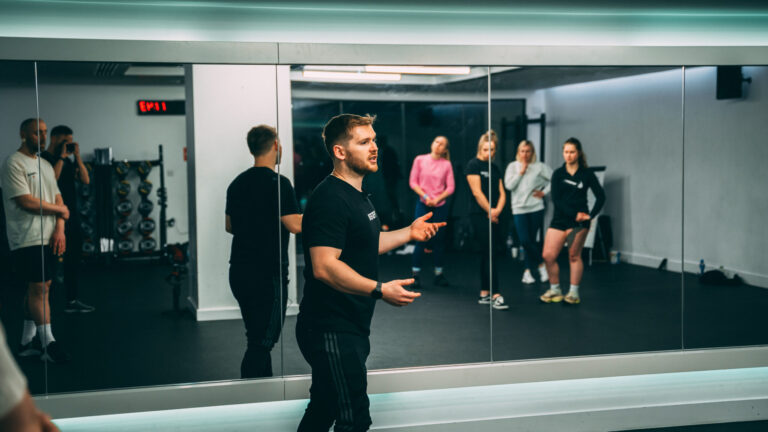
Welcome to the latest edition of the Deep Dive Newsletter. Today, we delve into an evolution every personal trainer goes through: the transition from counting reps to becoming a results-driven coach.
This shift is not just about semantics; it’s about fundamentally changing your approach to client interaction, programme design, and ultimately, your business success.
If there are any topics you’d like us to cover, please reply to this email, make sure to stay subscribed to continue receiving these.
The Rep-Counter Trap: Are You Just Counting Sets and Reps?
It’s a common starting point for many in the fitness industry. You’ve got the qualifications, you know your exercises, and you’re ready to get clients moving. But how much of your time is spent simply instructing an exercise and counting to ten or twelve? Remember when you thought just showing up and making clients sweat was enough? Many personal trainers (PTs) fall into what can be termed the “rep-counter’’ persona.
This persona is primarily focused on session delivery and filling time slots, rather than a holistic client transformation. If training is merely about delivering a workout, clients might as well follow an app!
- Client Perception: Clients may view you more as a session supervisor or an expensive rep-counter, rather than a guide capable of facilitating lasting change. They see the session, not the journey.
- Income Stagnation: When your value is tied to the hour, your income potential is capped. It becomes a numbers game of filling slots, making it difficult to scale your business or significantly increase earnings without working crazy hours.
- Job Satisfaction: Over time a purely technical focus can lead to burnout. The role can feel repetitive and transactional, diminishing the sense of impact and fulfillment that draws many to the profession. You become a technician, not a strategist.
Does this sound familiar? Are you truly delivering lasting change, or are you primarily focused on the activities within an hour-long session? It’s a crucial question for any PT looking to build a sustainable and impactful career.
The Shift: Embracing the Coach Mindset
The transition from a technically proficient trainer to an impactful coach begins with a fundamental mindset shift. This isn’t about abandoning your current expertise, it’s about layering a deeper, more holistic perspective on top of it. This evolution is critical for unlocking greater client success and professional satisfaction.
Defining the “Coach” Mindset
At its core, the coach mindset prioritises outcomes and results over session delivery. It’s about engineering a client’s transformation. This involves adopting a growth mindset, a belief in both your and your clients’ capacity to learn, adapt, and improve. A true coach embraces a holistic approach. Fitness is not an isolated pursuit, results come from a client’s overall lifestyle, mental state, and daily habits.
Key Differences: Trainer vs. Coach
A trainer often focuses on prescribing exercises, supervising form, and counting reps. Their main concern is the execution of the workout plan.
A coach empowers, educates, motivates and strategises for the long term. They delve into lifestyle factors, address behavioural change, and help navigate mental barriers. They are partners in the client’s journey.
The Psychological Shift and Overcoming Limiting Beliefs
This evolution requires a psychological shift from being an instructor to becoming a partner; from an order-giver to a guide. This means developing skills in active listening, empathy, and building rapport with clients. It’s about understanding their world, not just their deadlift form.
PTs themselves often face limiting beliefs that hinder this transition:
- Imposter syndrome: Doubting one’s ability to offer more (often what sits outside their comfort zone).
- Fear of charging more for “softer” skills: Under-valuing coaching aspects like mindset support or lifestyle advice.
- The belief that clients only want exercise: Misinterpreting client needs and desires, potentially underestimating their openness to a more comprehensive approach.
Recognising and addressing these internal barriers is the first step towards embodying the coach mindset and unlocking a new level of professional impact.
Becoming an Outcome-Focused Coach
Adopting a coach mindset is the foundation, but translating that into results requires developing specific strategies and skills. This section outlines actionable steps to help you become an outcome-focused coach, moving beyond theory into practical application.
Comprehensive Client Assessment & Goal Setting
The journey to impactful coaching begins with a truly thorough understanding of your client. This goes far beyond standard physical assessments and means delving into their lifestyle, understanding their core motivations, identifying potential barriers, and even gaining insight into their psychological state concerning health and fitness.
SMART (Specific, Measurable, Achievable, Relevant, Time-bound) goals are the best place to start, but they are just the starting point.
A coach needs to uncover the “why” behind the “what”. Instead of focusing solely on metric goals like “lose 5kg”, aim for transformational goals such as ”run a 5k with my kids“, “feel confident and energetic on my beach holiday”, or “build sustainable, healthy habits that last a lifetime.” These deeper aspirations can be far more potent drivers of commitment.
Holistic Program Design
An outcome-focused coach understands that the hour in the gym is only one piece of the puzzle. Holistic programme design integrates various aspects of well-being. This may involve providing nutrition guidance, advice on sleep hygiene, and strategies for stress management (always operating within your scope of practice or referring to specialists when necessary).
Mastering Communication and Motivation
Effective coaching hinges on exceptional communication. This includes active listening (truly hearing what your client is saying, and what they’re not), asking powerful, open-ended questions that foster self-reflection, and delivering empathetic, constructive feedback. Techniques like motivational interviewing can be invaluable in helping clients find their own intrinsic motivation.
Support and accountability must extend beyond the training session. The “pastoral side of personal training” involves providing motivation in and out of the gym. This could be through regular check-ins via messaging, sharing relevant resources, or simply being an encouraging presence in their journey throughout the week.
Incorporating Mindset and Mental Resilience Coaching
Many clients struggle not from a lack of physical capability, but due to mental barriers. A coach helps clients navigate their own limiting beliefs, overcome the fear of failure, and reframe negative self-talk. Introducing simple mindfulness techniques or stress-reduction exercises can empower clients to manage challenges more effectively, both in and out of the gym.
Tracking Progress Beyond the Scale
While quantitative data like weight or measurements have their place, an outcome-focused coach looks at a broader spectrum of progress. This includes tracking improvements in performance (e.g. lifting heavier, running faster/further), increased energy levels, better mood, growing confidence, and adherence to new, healthier habits. Qualitative feedback- how the client feels and what they’re experiencing is often as important, if not more so, than numbers on a scale.
Continuous Learning and Adaptation
The fitness and coaching landscape is constantly evolving. A commitment to continuous learning is essential. This means staying updated on exercise science, nutrition principles, coaching methodologies, and even basic psychology. Equally important is the willingness to adapt programmes based on client feedback, life events, and observed progress. Rigidity has no place in true coaching; flexibility and responsiveness do.
Value-Based Pricing: Charging What You’re Worth as a Coach
Evolving into an outcome-focused coach significantly increases the value you deliver. It’s therefore a natural and necessary progression to evolve your pricing model to reflect this enhanced value. This section explores how to move away from restrictive hourly rates and embrace value-based pricing, allowing you to charge what you’re truly worth.
Moving Away from Hourly Rates
Traditional hourly rates, while simple to implement, present inherent limitations for a coach. When you sell time, your income is capped by the number of hours you can physically work. More importantly, hourly rates often devalue the comprehensive nature of coaching. Clients may perceive they are paying for an hour of exercise supervision, failing to recognise the extensive preparation, ongoing support and strategic planning that goes into a true coaching relationship. This model doesn’t adequately compensate for the results, transformation and holistic guidance you provide.
Understanding Value-Based Pricing
Value-based pricing flips the script. Instead of charging for your time you charge for the outcomes, transformation and perceived value delivered to the client. The focus shifts to the Return on Investment (ROI) for the client: improved health, increased confidence, enhanced longevity, greater energy and a better quality of life. These are far more valuable than an hour of exercise.
Structuring Coaching Packages
A practical way to implement value-based pricing is through packages. These are typically offered as fixed-term programmes (e.g. 3, 6 or 12-month transformation journeys) and bundle various services to provide a holistic solution. Such packages can include:
- Personalised training sessions (in-person, online, or hybrid).
- Customised nutrition coaching or detailed guidance.
- Regular progress reviews, strategy calls and goal reassessments.
- Mindset coaching support and resilience-building techniques.
- Exclusive access to resources (e.g. recipe books, workout libraries, educational guides).
- Dedicated out-of-session support (via email or messaging platforms).
This package approach clearly defines the comprehensive support clients will receive, justifying a premium price point that reflects the depth of service and commitment to their transformation.
Communicating Your Value
Setting higher prices requires confident and clear communication of the value you provide. This involves:
- Clearly explaining the benefits of your comprehensive coaching approach vs basic personal training.
- Using testimonials and case studies that focus on client transformations and outcomes.
- Being confident in your pricing, justifying it based on the depth of support, expertise and the results clients can expect.
Considerations for Setting Your Prices
When determining your package prices, several factors come into play:
- Your Experience and Expertise: Specialised certifications, years in the field and proven track record.
- Overhead Costs: Software, insurance, rent (if applicable), continued education.
- Target Market: Their financial capacity and willingness to invest in premium, results-oriented coaching.
- Competitive Landscape: Understand what others offer, but focus on how your coaching model differentiates you and provides superior value thus justifying a premium.
By aligning your pricing with the value of outcome-focused coaching you not only increase your earning potential but also attract clients who are serious about investing in real, lasting change.
The evolution to an outcome-focused coaching model is supported by emerging industry trends and advancements in technology. These tools and shifts in consumer expectations can help you deliver more personalised and effective coaching.
Industry Trends Supporting the Coaching Model
- Demand for Personalised and Holistic Wellness: Consumers are increasingly seeking more than just workouts. There’s a growing appetite for “Personalised Fitness Experiences” that address overall well-being including nutrition, stress, sleep and mental health. This holistic demand is precisely what a coaching model caters to.
- Recognition of the Mind-Body Connection: There’s heightened awareness of how mental and emotional states impact physical health and vice-versa. Coaches who can address mindset, motivation and behavior change are increasingly valued.
Technological Enablers
- Wearable Technology: Devices tracking activity, sleep, heart rate variability and even stress levels provide invaluable data. Coaches can use this information to personalise programmes, monitor progress beyond sessions and facilitate insightful conversations with clients about lifestyle factors.
- Coaching Apps/Software: Specialised platforms are designed to streamline the coaching process. These can facilitate programme delivery, progress tracking, client communication, habit monitoring and the provision of educational resources. These tools centralise the coaching experience and enhance client engagement.
- Communication Tools: Simple messaging apps, video call platforms (for remote check-ins or sessions) and email allow for regular, convenient contact with clients, fostering a stronger support system.
- Content Creation Tools: Software for creating PDFs, videos or even simple graphics can help you develop high-quality educational resources (e.g. recipe guides, exercise demonstration videos or mindset worksheets) to add further value to your coaching packages.
Example: Imagine leveraging an app to see your client’s sleep patterns from their wearable device. You then discuss how insufficient sleep might be impacting their energy for workouts, their food choices and their stress levels. You collaboratively strategise on improving sleep hygiene. That’s coaching in action, far removed from simply counting reps during a session.
By integrating these trends and technologies you can elevate your coaching services, provide more personalised and comprehensive support and ultimately drive better client outcomes.
The Transformation: Benefits for You and Your Clients
The shift from rep-counter to outcome-focused coach is more than a professional development step, it’s a transformation with benefits for both your clients and your own career.
Benefits for Your Client
When clients engage with a coach rather than just a trainer they experience a significantly different journey and outcome:
- Sustainable Life-Changing Results: The focus on holistic well-being, behaviour change and long-term strategy leads to results that last rather than quick fixes that fade. Clients don’t just change their bodies, they change their lives.
- Feeling Understood, Supported and Empowered: A coaching approach fosters a strong partnership. Clients feel heard, their unique challenges are acknowledged and they are empowered with the knowledge and tools to take ownership of their health.
- Developing a Healthier Relationship with Exercise, Food and Their Body: Coaching moves beyond restrictive diets and grueling workouts. It helps clients cultivate a positive and balanced approach to fitness and nutrition, reducing guilt and fostering self-compassion.
- Gaining Knowledge and Skills for Long-Term Self-Management: A key goal of coaching is to make the client self-sufficient over time. They learn the principles behind your guidance enabling them to make informed choices long after your direct coaching relationship concludes.
Benefits for You
For the personal trainer this evolution is equally rewarding:
- Increased Professional Fulfillment and Impact: Witnessing lasting transformations in your clients’ lives provides a deeper sense of purpose and satisfaction than simply delivering sessions.
- Stronger, More Loyal Client Relationships: The depth of interaction and the partnership approach build significant trust and loyalty. Clients who achieve profound results through your coaching become your biggest advocates.
- Higher Earning Potential and Business Growth: Value-based pricing for coaching packages allows for significantly higher income. Satisfied clients lead to better retention and more referrals, fueling sustainable business growth.
- Becoming a Recognised Expert and Leader: A coach who delivers transformative results builds a strong reputation. This can lead to opportunities for specialisation, leadership and becoming a go-to expert in your niche.
- Reduced Churn and Improved Client Retention: When clients are achieving meaningful outcomes and feel deeply supported they are far more likely to continue their journey with you, leading to higher lifetime client value.
Your Next Step: Evolve Your Practice Today
The journey from a rep-counter to a results-driven coach is arguably the most crucial evolution a personal trainer can undertake for long-term success and genuine client impact. It’s a shift that benefits everyone involved, leading to better transformations, greater professional satisfaction and a more sustainable business.
But how do you start this journey? It begins with introspection and committing to incremental changes:
- Self-Reflect: Honestly assess where you currently sit on the rep-counter to coach spectrum. Are your client interactions primarily transactional or are they transformational? What percentage of your focus is on session delivery versus long-term outcomes?
- Identify One Skill: Choose just one skillperhaps deep goal setting, active listening or incorporating basic mindset discussions and commit to consciously developing and practicing it this week.
- Review Your Offering: Look at your current service packages and pricing. How can you begin to incorporate more value? Could you add a monthly check-in call, a simple resource guide or a more detailed initial consultation process to an existing package?
Remember, this evolution is a journey, not an overnight switch. Be patient with yourself, seek out mentors or further education in coaching methodologies and celebrate the small wins along the way. Every step you take towards becoming a more holistic outcome-focused coach will amplify your impact.
“The future of personal training lies not in the supervision of exercise but in the art and science of coaching transformation.”
Ready to equip yourself with tools that support a true coaching model and help you deliver exceptional, life-changing outcomes for your clients?
Explore how Create PT can empower you to design holistic programs, track progress, communicate effectively and manage your coaching business with greater ease. Take the first step in evolving your practice today.
We hope this discussion has provided valuable insights. We’d love to hear your thoughts or questions on this topic. Stay tuned for the next deep dive newsletter!