For more information on our content creation process, view our Editorial Policy.
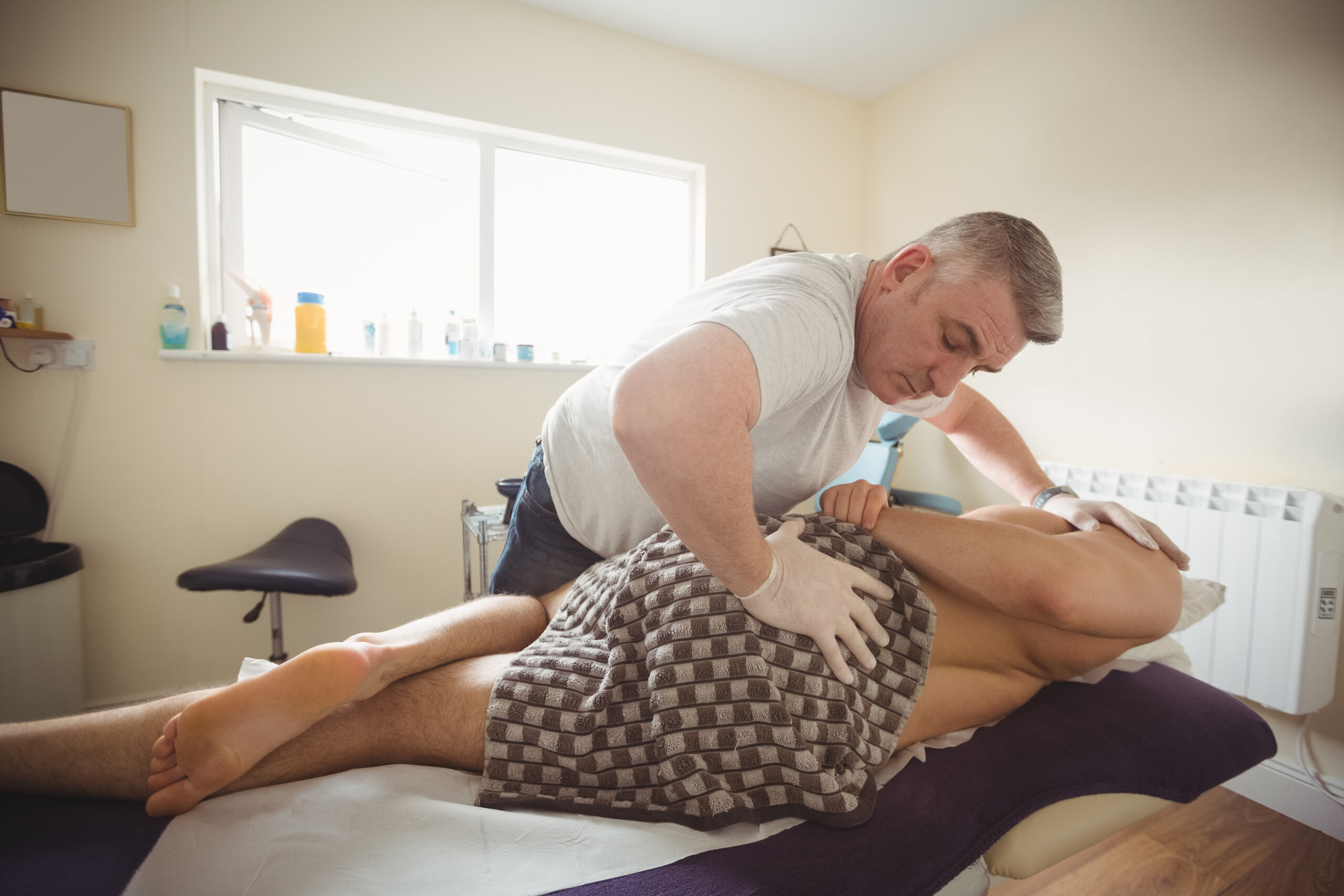
The students of our Sports Massage qualification often ask us about the difference between sports massage vs deep tissue.
Sports massage started as a treatment for athletes to prevent and treat injuries, but now everyone can benefit from it. Deep tissue massage works on chronic pain and posture problems, while sports massage targets issues related to sports and athletic injuries.
Let me explain what sports massage really is. This specialised treatment works great for active people and helps prevent injuries, boosts flexibility, and improves athletic conditioning. Deep tissue massage works differently – it reaches deeper muscle layers to break down adhesions and fix ongoing muscle tension.
We used active stretching in sports massage to boost performance, while deep tissue massage uses slow, sustained pressure to tackle general aches.
My experience as a qualified therapist shows that both types of massage can boost circulation, lower stress, and improve flexibility by a lot. But they each serve different purposes.
Do you want to know the difference? You’ll find the answer here.
What is a Sports Massage and Who is it For?
Sports massage is a specialised therapy that works best for athletes and people who stay physically active. It’s different from regular relaxation massages because it targets specific muscle groups used in sports and physical activities. This makes it perfect if you lead an active lifestyle.
Target Audience: Athletes and Active Individuals
While sports massage started with professional athletes, anyone who exercises regularly can benefit from these techniques. Weekend warriors and competitive athletes see great results. People with joint pain, tight muscles, or ongoing discomfort find relief through this therapy. The benefits don’t stop at athletes – even people who do repetitive activities like gardening or carrying kids around see big improvements in their flexibility and overall wellbeing.
Common Use Cases: Pre-event, Post-event, and Injury Recovery
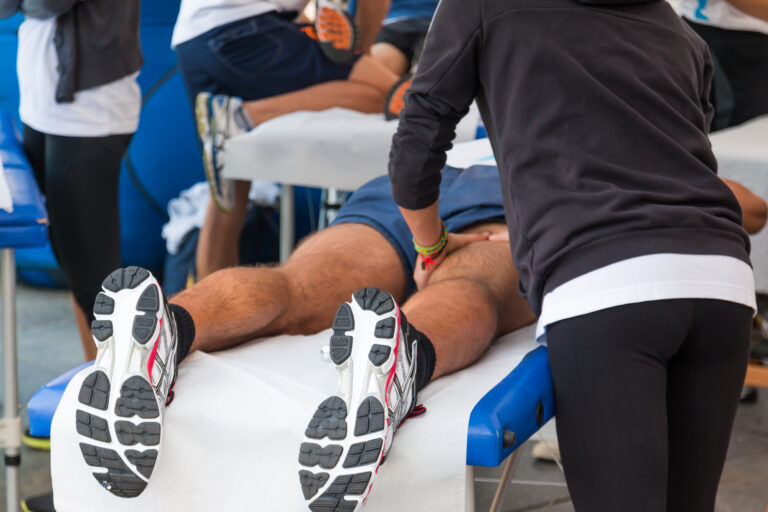
Athletes get pre-event massages 10-60 minutes before competing. These quick 15-20 minute sessions boost blood flow and lower injury risks. The goal is to wake up the muscles without making them too relaxed, which could hurt performance.
Post-event massages happen within 24-48 hours after competition to ease joint stiffness and delayed onset muscle soreness (DOMS). A meta-analysis of 29 studies shows this technique cuts muscle soreness by about 13%, so athletes recover faster between training sessions.
For injuries, sports massage helps healing by pushing more blood to damaged tissues, which delivers needed nutrients and oxygen. This targeted approach breaks down scar tissue, brings back flexibility, and helps stop future injuries.
Techniques Used: Compression, Friction, and Assisted Stretching
Sports massage uses several special techniques. Effleurage uses long, gliding strokes to warm tissues and improve blood flow. Petrissage involves kneading movements that release tension and boost flexibility.
Cross-friction massage puts pressure across muscle fibres to realign collagen and break down adhesions. This works really well for long-term tendon injuries.
Compression and assisted stretching also help improve range of motion and muscle elasticity. Studies show a 7% boost in flexibility scores after sports massage treatments.
What is a Deep Tissue Massage and When is it Used?
Deep tissue massage targets the deeper layers of muscle and connective tissues in your body. Sports massage focuses on athletic performance, while deep tissue massage works to break down adhesions (bands of painful, rigid tissue). The massage uses slow, well-thought-out techniques to release chronic muscle tension.
Target Audience: General Population with Chronic Pain
Deep tissue massage helps more people than sports massage and works best if you have chronic pain conditions. People who need relief from long-term discomfort make up most clients. This therapy helps people with ongoing muscle tension, recurring injuries, or chronic pain that hasn’t responded to other treatments. Middle-aged and older adults often choose this therapy to fix tension and posture problems that build up over time.
Technique Overview: Slow, Sustained Pressure
The unique aspect of deep tissue massage comes from its step-by-step approach. Therapists use steady pressure and slow, deep strokes that go past surface muscles. This well-thought-out technique lets them access inner layers of muscles and fascia.
My sessions start with gentle pressure to warm up muscles before I work deeper into problem areas. The pressure changes from moderate to firm based on what clients need and can handle. Deep tissue massage breaks down adhesions to help tissues work and move normally again.
Common Conditions Treated: Back Pain, Postural Issues, Stress
Studies show deep tissue massage reduces pain by a lot compared to regular therapeutic massage. This therapy works really well to treat:
Chronic back pain and sciatica
Posture problems from desk jobs
Repetitive strain injuries and muscle imbalances
Fibromyalgia symptoms
Tennis elbow and plantar fasciitis
The benefits go beyond physical healing. Deep tissue massage lowers stress by reducing cortisol (stress hormone) levels while boosting serotonin and dopamine. This combined effect of physical tension and mental stress makes it perfect for complete relief from chronic stress.
Deep Tissue vs Sports Massage: Key Differences Explained
The difference between these therapies helps you choose the right approach for your needs. Let’s get into the main things that make sports massage different from deep tissue massage.
Pressure Levels: Firm vs Variable Intensity
Deep tissue massage uses firm, consistent pressure during the session. This approach reaches deeper muscle layers and fascia. The intensity stays mostly constant and breaks down adhesions and scar tissue with sustained force.
Sports massage works differently by changing pressure levels based on the treatment phase and the athlete’s needs. Pre-event massage uses lighter, stimulating strokes to prepare muscles. Post-event sessions might need deeper pressure to help with fatigue and soreness. The therapist can adjust the pressure to match athletic demands and recovery needs.
Treatment Area: Full Body vs Targeted Zones
Deep tissue massage covers larger body areas or works as a full-body treatment. This detailed approach tackles muscle tension across multiple muscle groups at once. Yes, it is an integrated method that works well for people who want overall tension relief.
Sports massage focuses on specific muscle groups tied to particular activities. To name just one example, a runner gets treatment mainly on their legs, while a swimmer needs more work on their shoulders and back. This targeted approach helps the exact muscles used in sport-specific movements.
Injury Type: Chronic Tension vs Repetitive Strain
Deep tissue massage works best for chronic conditions like ongoing back pain, long-term posture problems, and muscle tension built up over time. The technique helps with stubborn knots and adhesions from regular stress patterns.
Sports massage tackles repetitive strain injuries and sport-specific issues. It helps with overuse injuries, muscle imbalances, and things that limit athletic performance. It also manages training-related inflammation and speeds up recovery between sessions.
Supplemental Techniques: Stretching vs Standalone Therapy
Deep tissue massage works as a standalone treatment that focuses on manipulating muscle tissue through pressure and friction. Though it works well by itself, it rarely uses other techniques beyond tissue manipulation.
Sports massage blends in other approaches like passive and active stretching, joint mobilisation, and sometimes rehabilitation exercises. These extra techniques improve range of motion and help athletic performance in ways that manual therapy alone cannot achieve.
Benefits and Outcomes: Which Massage Delivers What?
Each massage type offers unique therapeutic benefits. You need to know which results match your personal needs to make the right choice.
Performance Enhancement vs Stress Relief
Sports massage focuses on boosting athletic performance rather than just relaxation. Research shows that sports massage won’t directly improve your strength, sprint speed, or endurance. However, it helps you recover better between training sessions. Athletes can keep up their training intensity and frequency without losing performance.
Deep tissue massage shines when it comes to reducing stress and easing chronic tension. The technique lowers cortisol levels while boosting serotonin and dopamine, the key neurotransmitters that regulate mood. Studies reveal that people who get regular deep tissue massages see their cortisol levels drop by 31%.
Flexibility and Range of Motion Gains
Both techniques show real benefits for improving flexibility. Sports massage can boost flexibility scores by about 7%. This makes it valuable for athletes who need the best range of motion. Deep tissue massage achieves similar flexibility improvements by working on fascia and connective tissues.
Mental Wellbeing and Hormonal Balance
The benefits go beyond just physical improvements. Both types of massage help mental health by regulating hormones. Deep tissue massage releases endorphins, serotonin and dopamine. This creates a sense of wellbeing and reduces anxiety. Sports massage hasn’t been studied as much for mental effects, but it helps reduce fatigue and improves psychological readiness before competition.
Recovery Speed and Injury Prevention
Sports massage’s impact on recovery stands out the most. Studies show it reduces delayed onset muscle soreness (DOMS) by about 13%. Sports massage also helps spot potential problems before they become injuries. Deep tissue approaches don’t deal very well with prevention since they typically focus on existing chronic conditions.
Comparison Table: Sports Massage vs Deep Tissue
Aspect
Sports Massage
Deep Tissue Massage
Target Audience
Athletes and active people
General population with chronic pain conditions
Main Goal
Athletic performance boost and injury prevention
Breaking down adhesions and releasing chronic muscle tension
Active stretching, joint mobilisation, rehabilitation exercises
Standalone therapy without extra techniques
Recovery Focus
Acute conditions and performance-related recovery
Long-term chronic conditions and postural issues
Choosing the Right Massage for Your Needs
My experience as a therapist has shown me how sports massage and deep tissue techniques help people differently. Each type serves a unique purpose and works best for different people.
Athletes and active people find sports massage extremely helpful. It helps them perform better and recover faster between training sessions. This technique uses varied pressure and active stretching that targets sport-specific strains. Research shows it reduces muscle soreness by approximately 13%. Sports massage also helps catch potential problems before they turn into serious injuries.
Deep tissue massage works wonders for people with chronic pain and long-term posture problems. The technique uses slow, steady pressure to break down tough adhesions. It also lowers cortisol levels by up to 31%. People who want more than just athletic benefits often choose this option because it’s great at relieving stress.
Your specific needs should guide you when choosing between these approaches. Look at your activity level, type of discomfort (acute vs chronic), and what you want to achieve. Many of my clients get great results by switching between both types during their wellness journey.
Both massage types improve circulation, flexibility, and overall well-being. The best choice depends on whether you need focused athletic support or complete tension relief. These therapies are powerful tools that support your body’s natural healing processes, even though they work differently.
FAQs on Sports Massage vs Deep Tissue
What are the main differences between sports massage and deep tissue massage?
Sports massage focuses on enhancing athletic performance and recovery, using variable pressure and targeted techniques for specific muscle groups. Deep tissue massage, on the other hand, uses slow, sustained pressure to address chronic pain and tension throughout the body, making it suitable for a broader range of individuals.
Which massage technique is more effective for reducing muscle soreness?
Sports massage has been shown to reduce delayed onset muscle soreness (DOMS) by approximately 13%, making it particularly effective for athletes and active individuals recovering from intense physical activity.
How does deep tissue massage impact stress levels?
Deep tissue massage significantly reduces stress by decreasing cortisol levels by up to 31% while increasing serotonin and dopamine levels. This makes it an excellent choice for those seeking comprehensive relief from chronic stress and tension.
Can sports massage improve flexibility?
Yes, studies have shown that sports massage can increase flexibility scores by approximately 7%. This improvement in range of motion is particularly beneficial for athletes and active individuals looking to enhance their performance and prevent injuries.
How often should I get a sports or deep tissue massage?
The frequency of massages depends on your individual needs and goals. Athletes might benefit from regular sports massages, especially before and after events or intense training periods.
For chronic pain or tension, weekly or bi-weekly deep tissue sessions may be recommended. It’s best to consult with a qualified therapist to determine the ideal schedule for your specific situation.
Other content you might like
Business & MarketingSports Massage
Sports Therapist Salary Guide: Real Figures from UK Professionals (2026)
For more information on our content creation process, view our Editorial Policy. Key Takeaways Your earnings as a sports therapist depend on...